Strategic Impact of Warehouse Automation
Warehouse automation is critical to improving operational efficiency and reducing costs in the long term.
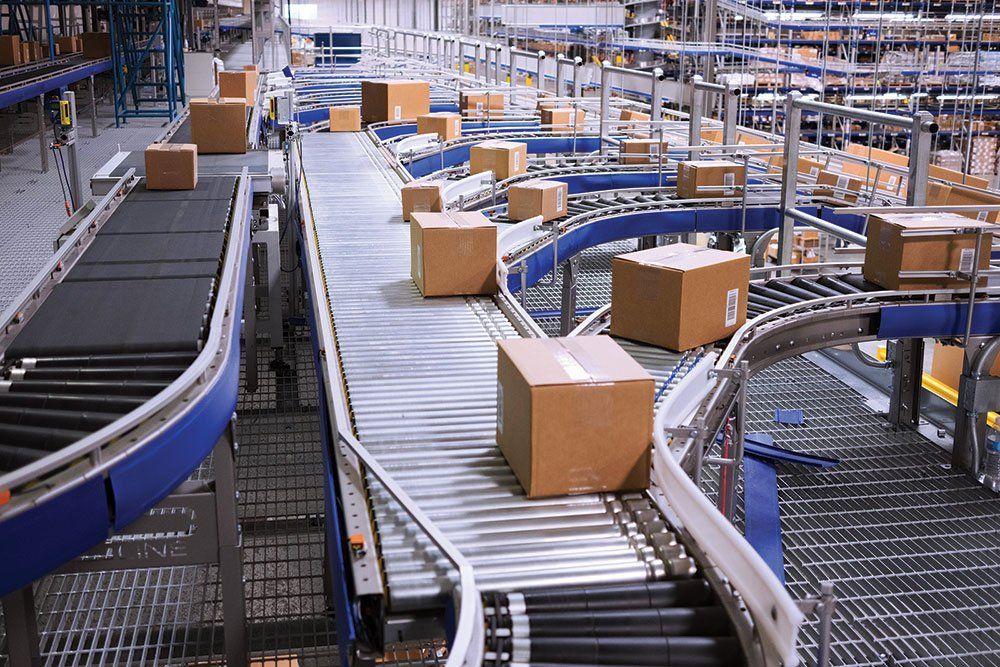
Investing in automated technologies allows companies to streamline processes, reducing errors and increasing productivity. For example, implementing warehouse management systems (WMS) can improve visibility into operations, helping to manage inventory more effectively and reducing operating costs by up to 15%.
Delaying automation decisions can result in significant hidden costs that impact a company's competitiveness. Companies that fail to adapt quickly to new technologies risk missing out on market opportunities and being overtaken by more agile competitors. One example is a company that saw operating costs increase by up to 20% due to a misjudgment of the cost of automation, losing market share to automated competitors.
Rising operating costs
Maintaining manual processes leads to increased operating costs over time. Several companies have reported a 30% increase in labor costs due to the inefficiency of non-automated processes. This increase in costs is not only related to wages, but also to inventory errors that can cost up to 15% of the total value of inventory. Operational inefficiencies reduce profit margins and compromise a company's ability to compete effectively.
Additionally, the cost of inventory management can increase by up to 25% if automated solutions are not implemented. These additional costs add to an already difficult economic picture, highlighting the importance of a proactive approach to automation. Investing in automation technologies not only reduces these costs but also improves the overall efficiency of warehouse operations.
Loss of competitive advantage
Companies that do not invest in automation risk losing market share to more agile competitors that adopt advanced technologies. According to statistics, 70% of companies in growing industries reported a significant improvement in competitiveness after implementing automated systems. This improvement is essential to respond to a 40% increase in customer service requests.
Lack of automation can lead to a longer response time to customer requests, resulting in a loss of trust and sales. For example, one company that delayed adopting automated technologies suffered a 15% drop in sales due to a poor ability to meet customer needs, demonstrating how automation is essential to maintaining a competitive advantage in today's market.
Impact on Workforce Management
Late automation can lead to workforce management difficulties, increasing employee turnover by up to 25%. Employees are often overwhelmed by repetitive and strenuous manual tasks, which can lead to dissatisfaction and a less motivating work environment. Automation, by reducing the need for manual labor, frees up staff to focus on value-added activities, improving employee satisfaction.
Additionally, increasing overtime hours to compensate for inefficiencies can increase labor costs by up to 30%. Companies that adopt automation, on the other hand, report a reduction in workplace injuries, with a 50% decrease in accidents related to manual tasks, highlighting the direct benefits of automation on worker health and safety.
Long-term benefits of automation
Investing in automation offers a return on investment that can reduce costs per order by up to 50%. Companies that adopt automation early can improve their distribution capacity, increasing operating capacity by up to 40% compared to those that remain manual. This increase in capacity is crucial to addressing peak demand and ensuring high-quality customer service.
Automation also allows for greater scalability of operations. Automated technologies improve traceability and inventory management, reducing losses due to inventory errors by up to 20%. These benefits highlight how automation is not just a technology investment, but a fundamental strategy for the long-term success of companies.
Automation Technologies to Consider
Automated systems such as CarryPick and AutoStore offer high availability rates of 99.6% to 99.8% with minimal maintenance required. These solutions not only improve operational efficiency, but are also designed to scale, allowing small and medium-sized businesses to achieve shorter ROI periods and flexible financing options.
Implementing warehouse management systems (WMS) can improve visibility into operations and reduce inventory management costs by up to 15%. Automation technologies can improve order picking accuracy, increasing customer satisfaction and reducing returns by up to 30%. These innovations are a critical step toward optimizing warehouse operations.
Importance of an Early Approach to Automation
Early adoption of automation not only improves operational efficiency, but is essential to remaining competitive in today’s market. Companies must consider the hidden costs of delaying automation as a strategic investment for the future. Automation is not just about technology, but about adaptability and resilience in an ever-changing market.
Companies that move quickly towards automation can position themselves as market leaders, gaining reputation and trust. Ignoring the benefits of automation can lead to a deterioration of the competitive position, highlighting the importance of a proactive approach to addressing the challenges of the future.