
Mastering Efficiency: The Ultimate Guide to Sortation Conveyors in Logistics

18 September 2024

Discover the essential guide to sortation conveyors, exploring types, benefits, and trends in logistics automation.

Overview of Sortation Conveyors in Logistics

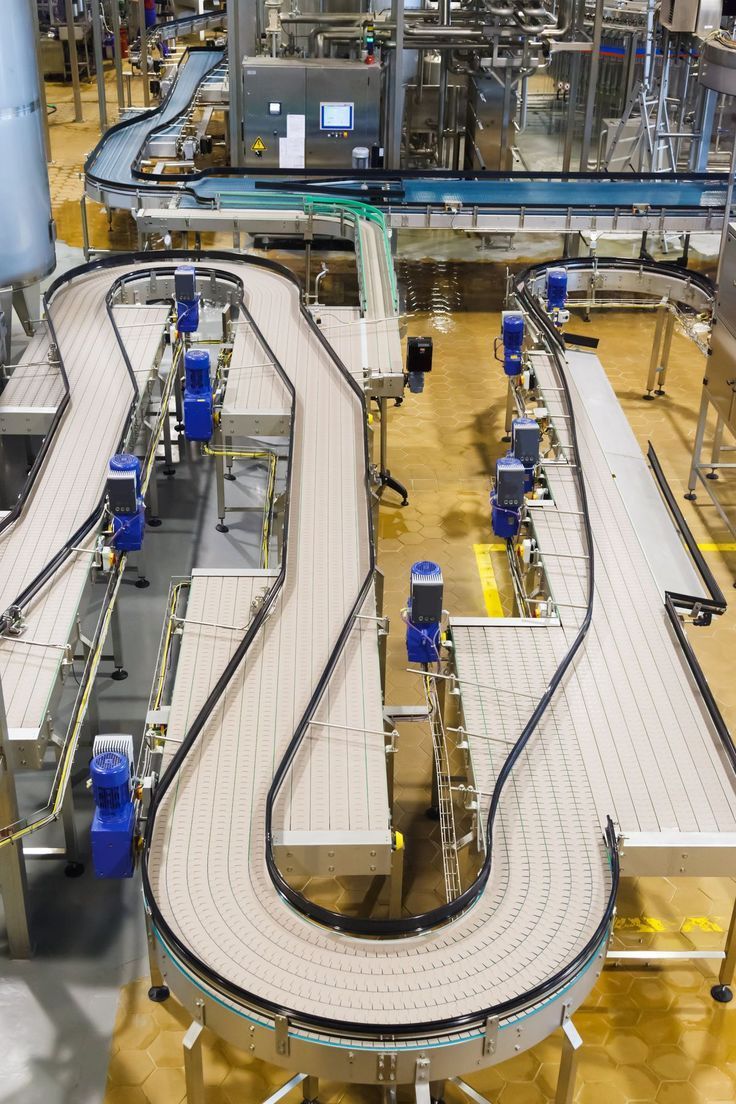
Sortation conveyor systems play a pivotal role in modern logistics, automating the sorting process to streamline operations within warehouses and distribution centers. By efficiently routing products to various destinations, these systems significantly enhance operational workflows and reduce processing times. For instance, a large e-commerce warehouse might utilize a sortation conveyor to quickly direct thousands of packages to multiple shipping areas, ensuring that supply chain efficiency is met without delay.

The ability of sortation conveyors to accommodate a wide variety of product sizes and weights allows businesses to maintain flexible operations tailored to their specific needs. This flexibility is crucial in industries where the range of products varies significantly, such as retail and manufacturing. Furthermore, the integration of these systems often leads to improved inventory accuracy and a reduction in order fulfillment errors, contributing to overall operational efficiency.


Types of Sortation Conveyors

There are several types of sortation conveyors, each designed to meet specific sorting needs. Cross-belt sorters, for example, are known for their ability to sort items in both directions quietly, making them ideal for high-traffic areas within a warehouse. Tilt tray sorters, on the other hand, are particularly effective for small, flat, or delicate items and are commonly found in industries like publishing where precision is crucial.

Another option is the sliding shoe sorter, which can achieve sorting rates exceeding 250 cases per minute, making it suitable for high-volume operations. Activated roller belt sorters (ARB) offer high flexibility with sorting speeds surpassing 200 parts per minute and require no rail systems, providing versatility in layout design. Robotic sortation systems represent the pinnacle of sorting technology, with capabilities of sorting up to 800 cases per minute, proving the immense potential of automation in logistics.


Benefits of Using Sortation Conveyors

The implementation of sortation conveyors in warehouses provides numerous advantages that significantly enhance overall operational efficiency. One of the primary benefits is the substantial reduction in labor costs, as these systems automate the sorting process, minimizing the need for manual labor. This automation not only saves money but also improves accuracy in tracking and pricing, which is vital for effective order fulfillment.

Additionally, sortation conveyors lead to better space utilization within warehouses. By optimizing layout and flow, businesses can maximize their operational footprint, accommodating more inventory without the need for expanding physical space. Enhanced safety features in modern sortation systems help mitigate risks associated with manual sorting processes, creating a safer working environment for employees.


Key Factors in Choosing a Sortation Conveyor System

Selecting the right sortation conveyor system involves several critical considerations that can impact operational efficiency. Factors such as product type, sorting rate, and the number of destinations are essential in determining which system will best meet the needs of a specific operation. For example, businesses handling fragile items may prioritize tilt tray sorters due to their gentle handling capabilities, while those with high volume requirements might lean towards robotic sortation systems for their speed and efficiency.

Other important considerations include the system's scalability to accommodate future growth, maintenance requirements to ensure long-term effectiveness, and overall cost-effectiveness, which includes both initial investments and ongoing operating costs. Understanding these factors is crucial for making informed decisions that align with a company's operational goals.


Applications of Sortation Conveyor Systems

Sortation conveyor systems are versatile and widely used across various industries, including e-commerce, retail, and manufacturing, to optimize critical processes such as receiving, cross-docking, picking, packing, and shipping. For instance, in the pharmaceutical industry, sortation systems accurately sort medications based on prescriptions, ensuring that the right products are delivered to the correct locations.

In the grocery sector, sortation conveyors efficiently handle fresh produce and perishable items, which require quick turnover to maintain quality. Additionally, these systems are instrumental in managing returns, where items need to be sorted back into inventory or designated for refurbishment, further illustrating the importance of sortation technology in enhancing operational efficiency across different sectors.


Trends in Sorting Technology

Recent trends in sorting technology indicate a significant shift towards incorporating advanced technologies like artificial intelligence (AI) and machine learning to improve sorting accuracy and reliability. This technological evolution is also accompanied by a growing emphasis on sustainability, where innovations in sortation technology aim to reduce energy consumption and waste.

Moreover, the rise of omnichannel retailing is driving demand for more sophisticated sortation solutions that can adapt to various shipping methods and accommodate the complexities of modern logistics. The integration of Internet of Things (IoT) devices in sortation systems is enhancing real-time monitoring and predictive maintenance capabilities, further optimizing operations. Finally, the trend towards modular sortation systems allows for quick reconfiguration to meet changing operational demands, highlighting the need for adaptable solutions in an ever-evolving marketplace.


15 December 2025
These days, sustainability isn’t just a buzzword—it’s a crucial factor in how businesses operate. With growing concerns about climate change and environmental impact, companies across industries are searching for ways to go green. One area where significant changes are happening is in material handling, particularly with conveyor systems.
16 April 2025
Introduction to AI in PLC Programming Industrial automation is crucial for controlling machinery, processes, and even entire production lines. Leading manufacturers such as Siemens and Rockwell have established their dominance in the PLC market by continuously innovating and adapting to the needs of the industry. The incorporation of artificial intelligence (AI) into PLC programming represents a significant leap forward in enhancing the efficiency, accuracy, and flexibility of coding practices. As industrial processes become increasingly complex, AI provides pivotal support in developing effective coding solutions that can adapt to evolving industry standards. AI's unique ability to analyze vast amounts of data and learn from historical performance allows it to offer tailored coding solutions that improve productivity. By working alongside human developers, AI tools not only streamline the coding process but also help ensure that the resulting code is robust, efficient, and easy to maintain. This synergy between human expertise and AI assistance represents a transformative shift in how PLC programming is approached, ultimately leading to better outcomes in industrial automation. The Role of Artificial Intelligence in Automation Artificial intelligence significantly reduces programming and engineering efforts for automation solutions, allowing developers to focus on higher-level tasks rather than repetitive coding challenges. For instance, AI tools can automate the generation of control logic, making production processes more flexible and precise. By analyzing historical data, AI can inform and optimize future programming decisions, leading to enhanced overall system performance. This results in significant cost savings, as AI can minimize downtime and improve operational efficiencies. Moreover, the integration of AI into existing automation categories—such as design, operations, logistics, and maintenance—enables a more cohesive approach to system management. The evolving capabilities of AI technologies promise ongoing improvements in automation practices, ensuring that organizations remain competitive in an ever-changing industrial landscape. Generative AI and PLC Programming Generative AI is a game-changer in PLC programming, particularly in its ability to break down complex PLC code into manageable program organization units (POUs). This enhanced organization allows developers to focus on specific sections of code, making it easier to debug and improve readability. Retrieval-Augmented Generation (RAG) systems further improve large language models by incorporating external data, which increases the accuracy of code generation. For example, an AI tool can estimate program complexity and recommend methods to simplify the code, enhancing its clarity and maintenance potential. AI also automates repetitive tasks, enabling developers to concentrate on more complex programming challenges. By providing real-time suggestions and error-checking capabilities, generative AI fosters a collaborative coding environment that enhances productivity and reduces the likelihood of errors in PLC code. Customization of AI Tools for PLC Coding While AI has tremendous potential in PLC programming, it requires customization to avoid inaccuracies, particularly in specific coding practices. Developers can refine AI outputs by integrating their own coding standards and machine specifications, ensuring that the generated code aligns with operational requirements. The necessity for verification in industrial settings is paramount, as reliability is crucial in automated systems. Customizable AI tools can learn from user inputs, gradually improving their accuracy and relevance to specific projects. Tailoring AI systems to fit unique operational environments enhances their effectiveness in generating appropriate code. Continuous feedback loops between developers and AI can refine the coding process, leading to higher quality outputs that meet the specific needs of each project. Enhancing Version Control with AI Version control is vital in PLC programming to maintain code integrity and facilitate collaboration among teams. Major PLC vendors like Rockwell and Siemens are integrating AI into their version control systems to enhance code management. AI automates tasks within version control processes, improving collaboration and code quality. For example, cloud-based solutions allow for real-time change management and intelligent code analysis, streamlining the collaborative coding experience. AI can track changes and provide insights into the history of code modifications, improving traceability and reducing the risk of errors during deployment. The adoption of Git technology in PLC programming enables distributed version control, further enhancing team collaboration across various projects. Real-World Applications of AI in PLC Programming At industry events, companies like Schneider Electric and Siemens have showcased AI tools that generate structured code for specific applications, such as liquid filling systems. These AI-generated codes undergo testing in simulators before implementation to prevent errors from propagating in real-world settings. The ability of AI to generate comments within the code enhances clarity, making it easier for developers to understand and maintain the code over time. AI tools also assist in troubleshooting by providing suggestions based on historical performance data. Case studies demonstrate that the integration of AI into PLC programming significantly reduces programming time and improves accuracy, thus transforming the landscape of industrial automation. Future Trends and Considerations The future of AI in PLC programming is poised for significant advancements, particularly in open process automation and AI-driven solutions for intelligent version control. Predictive models and embedded AI will provide actionable insights for maintenance teams, enhancing operational efficiency. Additionally, ongoing development in AI capabilities may support more advanced functions in PLC programming, such as servo motion control and robotics. Emerging AI technologies hold the potential for real-time monitoring and adjustments to PLC performance based on operational conditions. Future iterations of AI tools are likely to incorporate machine learning capabilities, further increasing their adaptability and effectiveness. As the industry moves towards digital twins, the integration of AI for simulating and optimizing PLC performance in virtual environments will become increasingly important. Conclusion: The Future of AI in PLC Coding The integration of AI into PLC coding for Siemens and Rockwell systems presents transformative potential for developers in industrial automation. By embracing AI tools, developers can achieve greater efficiency and accuracy in their coding practices. Ongoing advancements in AI technology are crucial for the future of PLC programming, and the collaborative relationship between developers and AI will drive innovation in industrial automation. Continued research and investment in AI applications are essential to fully realize their capabilities in enhancing PLC programming processes.