
Revolutionizing Logistics: How Augmented Reality is Transforming Operations and Training

4 September 2024

Discover how augmented reality is revolutionizing logistics through successful case studies and innovative implementations that boost efficiency and training.


Introduction to Augmented Reality in Logistics

Augmented reality (AR) is a transformative technology that overlays digital information onto the physical environment, significantly enhancing real-time decision-making and operational efficiency within the logistics sector. This innovative approach allows workers to visualize critical data, such as inventory levels and navigation routes, directly in their field of view, leading to more informed choices and streamlined processes. The AR market in logistics is projected to experience exponential growth, expected to rise from $35 billion in 2021 to an astounding $246 billion by 2027, showcasing the technology's vast potential.

One of the most compelling advantages of implementing AR in logistics is its ability to reduce training costs by up to 50%. Interactive experiences facilitated by AR allow workers to learn on-the-job in a hands-on manner, which not only fosters engagement but also significantly improves knowledge retention. Additionally, AR enhances safety protocols by providing real-time, contextual guidance to operators, thereby minimizing the likelihood of accidents and operational errors.


Overview of Successful AR Implementations

Several leading logistics companies have successfully integrated AR technology into their operations, yielding impressive results. For instance, DHL's pilot project utilizing AR-enabled smart glasses for 'vision picking' resulted in a remarkable 25% increase in picking efficiency, highlighting how AR can optimize manual tasks. Similarly, XPO Logistics adopted AR for precise picking assignments and incorporated virtual reality (VR) in training programs, which significantly enhanced learning retention and productivity. These implementations demonstrate the tangible benefits that AR can bring to logistics operations.

Moreover, firms like Ricoh and Ubimax have developed customized AR solutions to streamline logistics processes and reduce the time spent on repetitive manual tasks. Successful AR deployments usually commence with pilot projects that allow companies to assess the technology's effectiveness before committing to broader application. This phased approach provides valuable insights that inform future implementations and ensure a smoother transition.


Case Study: AR in Warehouse Management

AR applications in warehouse management are revolutionizing how companies optimize operations. For example, Boeing reported a 25% improvement in efficiency after integrating AR with their Warehouse Management Systems (WMS). This technology enables real-time navigation assistance, aiding workers in locating items quickly and accurately. By displaying optimal storage locations and routes, AR reduces the time spent searching for products, ultimately leading to faster order fulfillment.

Additionally, AR has been shown to significantly decrease error rates during order picking processes. By providing visual guidance and step-by-step instructions, AR not only enhances the accuracy of inventory management but also improves overall customer satisfaction by ensuring timely and correct deliveries. The integration of AR technologies in warehousing demonstrates a clear shift toward smarter, more responsive logistics operations.


Case Study: AR in Training and Development

The impact of AR on training and development within logistics cannot be understated. By offering immersive and interactive learning experiences, AR has transformed traditional training methods, leading to improved retention rates among employees. For instance, DHL and Johnson & Johnson Vision Care have successfully utilized AR for training, significantly reducing training times while allowing experienced personnel to focus on production tasks. This innovative approach has proven to increase employee engagement and confidence in operational tasks.

Moreover, AR facilitates remote assistance features, enabling new hires to receive real-time support from seasoned staff during on-the-job training. This not only accelerates the onboarding process but also fosters a collaborative work environment. By integrating AR into training programs, companies can ensure their workforce is well-prepared to meet the demands of an evolving logistics landscape.


Benefits Realized from AR Integration

The integration of AR in logistics has led to numerous benefits for organizations, including improved support for operators and enhanced productivity. Companies have reported significant reductions in error rates associated with order picking and inventory management, largely due to the real-time information and visual guidance provided by AR applications. For example, organizations utilizing AR technologies have experienced decreased labor costs as a result of increased operational efficiency, which reduces the reliance on manual processes.

In terms of visibility, AR applications allow for better tracking of inventory and assets throughout the supply chain. This newfound transparency enables logistics companies to respond more swiftly to customer demands and market changes, ultimately leading to a more agile and responsive supply chain.


Challenges and Solutions in AR Adoption

Despite its many advantages, the adoption of AR in logistics presents several challenges that organizations must navigate. Technical limitations of AR systems, coupled with resistance to change among employees and skill gaps, can hinder successful implementation. To address these issues, many organizations have found success in conducting pilot projects to assess AR solutions before wider deployment. This approach allows for data collection and adjustments based on real-world performance.

Additionally, ethical considerations, such as fears of workforce displacement, must be addressed to cultivate a supportive environment for AR adoption. Collaborating with AR technology providers can also help logistics companies design tailored solutions that cater to their specific operational requirements, ultimately easing the transition to AR-enhanced processes.


Future Trends of AR in Logistics

Looking ahead, the integration of AR with other cutting-edge technologies, such as artificial intelligence (AI) and the Internet of Things (IoT), is expected to enhance predictive maintenance and streamline workflows within logistics. Future research will likely focus on developing decision-making models that guide logistics managers in effectively adopting AR technology, ensuring that investments yield maximum returns.


Advancements in AR hardware, including lighter and more user-friendly devices, are anticipated to drive wider adoption among logistics firms. As major logistics companies continue to invest in AR, innovation will flourish, leading to new applications that further enhance operational efficiency. The future of AR in logistics promises to redefine industry standards and elevate supply chain performance to unprecedented levels.

15 December 2025
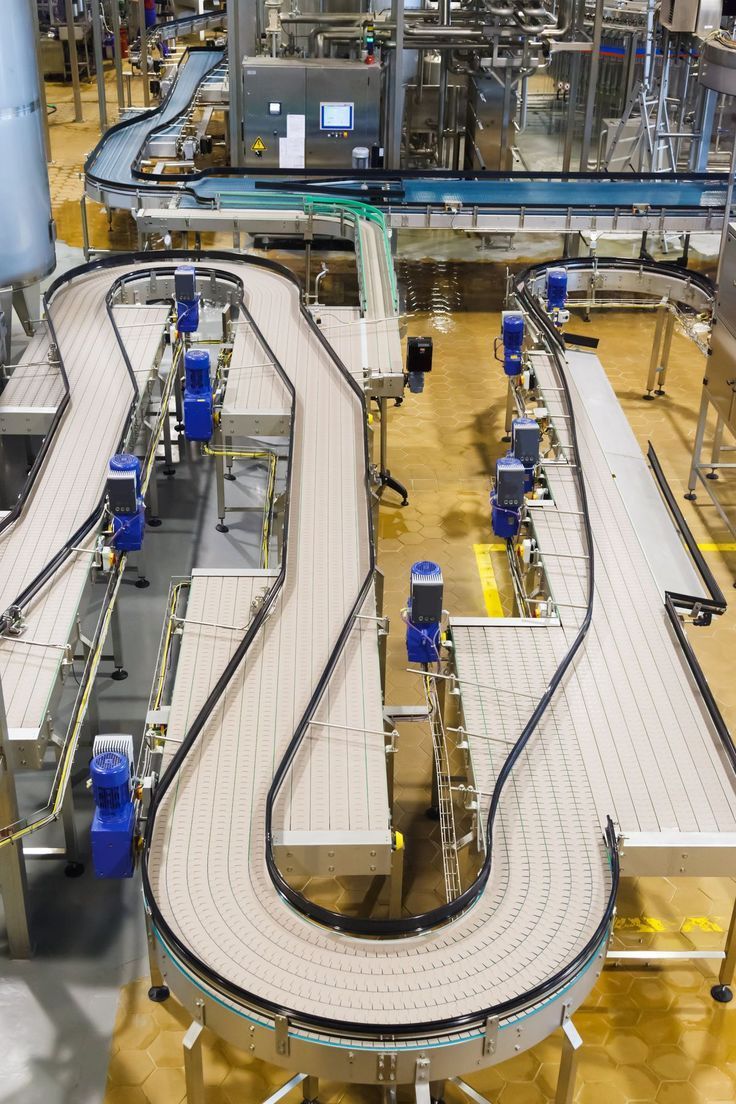
These days, sustainability isn’t just a buzzword—it’s a crucial factor in how businesses operate. With growing concerns about climate change and environmental impact, companies across industries are searching for ways to go green. One area where significant changes are happening is in material handling, particularly with conveyor systems.
16 April 2025
Introduction to AI in PLC Programming Industrial automation is crucial for controlling machinery, processes, and even entire production lines. Leading manufacturers such as Siemens and Rockwell have established their dominance in the PLC market by continuously innovating and adapting to the needs of the industry. The incorporation of artificial intelligence (AI) into PLC programming represents a significant leap forward in enhancing the efficiency, accuracy, and flexibility of coding practices. As industrial processes become increasingly complex, AI provides pivotal support in developing effective coding solutions that can adapt to evolving industry standards. AI's unique ability to analyze vast amounts of data and learn from historical performance allows it to offer tailored coding solutions that improve productivity. By working alongside human developers, AI tools not only streamline the coding process but also help ensure that the resulting code is robust, efficient, and easy to maintain. This synergy between human expertise and AI assistance represents a transformative shift in how PLC programming is approached, ultimately leading to better outcomes in industrial automation. The Role of Artificial Intelligence in Automation Artificial intelligence significantly reduces programming and engineering efforts for automation solutions, allowing developers to focus on higher-level tasks rather than repetitive coding challenges. For instance, AI tools can automate the generation of control logic, making production processes more flexible and precise. By analyzing historical data, AI can inform and optimize future programming decisions, leading to enhanced overall system performance. This results in significant cost savings, as AI can minimize downtime and improve operational efficiencies. Moreover, the integration of AI into existing automation categories—such as design, operations, logistics, and maintenance—enables a more cohesive approach to system management. The evolving capabilities of AI technologies promise ongoing improvements in automation practices, ensuring that organizations remain competitive in an ever-changing industrial landscape. Generative AI and PLC Programming Generative AI is a game-changer in PLC programming, particularly in its ability to break down complex PLC code into manageable program organization units (POUs). This enhanced organization allows developers to focus on specific sections of code, making it easier to debug and improve readability. Retrieval-Augmented Generation (RAG) systems further improve large language models by incorporating external data, which increases the accuracy of code generation. For example, an AI tool can estimate program complexity and recommend methods to simplify the code, enhancing its clarity and maintenance potential. AI also automates repetitive tasks, enabling developers to concentrate on more complex programming challenges. By providing real-time suggestions and error-checking capabilities, generative AI fosters a collaborative coding environment that enhances productivity and reduces the likelihood of errors in PLC code. Customization of AI Tools for PLC Coding While AI has tremendous potential in PLC programming, it requires customization to avoid inaccuracies, particularly in specific coding practices. Developers can refine AI outputs by integrating their own coding standards and machine specifications, ensuring that the generated code aligns with operational requirements. The necessity for verification in industrial settings is paramount, as reliability is crucial in automated systems. Customizable AI tools can learn from user inputs, gradually improving their accuracy and relevance to specific projects. Tailoring AI systems to fit unique operational environments enhances their effectiveness in generating appropriate code. Continuous feedback loops between developers and AI can refine the coding process, leading to higher quality outputs that meet the specific needs of each project. Enhancing Version Control with AI Version control is vital in PLC programming to maintain code integrity and facilitate collaboration among teams. Major PLC vendors like Rockwell and Siemens are integrating AI into their version control systems to enhance code management. AI automates tasks within version control processes, improving collaboration and code quality. For example, cloud-based solutions allow for real-time change management and intelligent code analysis, streamlining the collaborative coding experience. AI can track changes and provide insights into the history of code modifications, improving traceability and reducing the risk of errors during deployment. The adoption of Git technology in PLC programming enables distributed version control, further enhancing team collaboration across various projects. Real-World Applications of AI in PLC Programming At industry events, companies like Schneider Electric and Siemens have showcased AI tools that generate structured code for specific applications, such as liquid filling systems. These AI-generated codes undergo testing in simulators before implementation to prevent errors from propagating in real-world settings. The ability of AI to generate comments within the code enhances clarity, making it easier for developers to understand and maintain the code over time. AI tools also assist in troubleshooting by providing suggestions based on historical performance data. Case studies demonstrate that the integration of AI into PLC programming significantly reduces programming time and improves accuracy, thus transforming the landscape of industrial automation. Future Trends and Considerations The future of AI in PLC programming is poised for significant advancements, particularly in open process automation and AI-driven solutions for intelligent version control. Predictive models and embedded AI will provide actionable insights for maintenance teams, enhancing operational efficiency. Additionally, ongoing development in AI capabilities may support more advanced functions in PLC programming, such as servo motion control and robotics. Emerging AI technologies hold the potential for real-time monitoring and adjustments to PLC performance based on operational conditions. Future iterations of AI tools are likely to incorporate machine learning capabilities, further increasing their adaptability and effectiveness. As the industry moves towards digital twins, the integration of AI for simulating and optimizing PLC performance in virtual environments will become increasingly important. Conclusion: The Future of AI in PLC Coding The integration of AI into PLC coding for Siemens and Rockwell systems presents transformative potential for developers in industrial automation. By embracing AI tools, developers can achieve greater efficiency and accuracy in their coding practices. Ongoing advancements in AI technology are crucial for the future of PLC programming, and the collaborative relationship between developers and AI will drive innovation in industrial automation. Continued research and investment in AI applications are essential to fully realize their capabilities in enhancing PLC programming processes.