
Revolutionizing Warehouse Efficiency: The Power of Automated Storage and Retrieval Systems (AS/RS)

6 December 2024

Discover how Automated Storage and Retrieval Systems (AS/RS) can revolutionize warehouse efficiency and drive significant operational improvements.
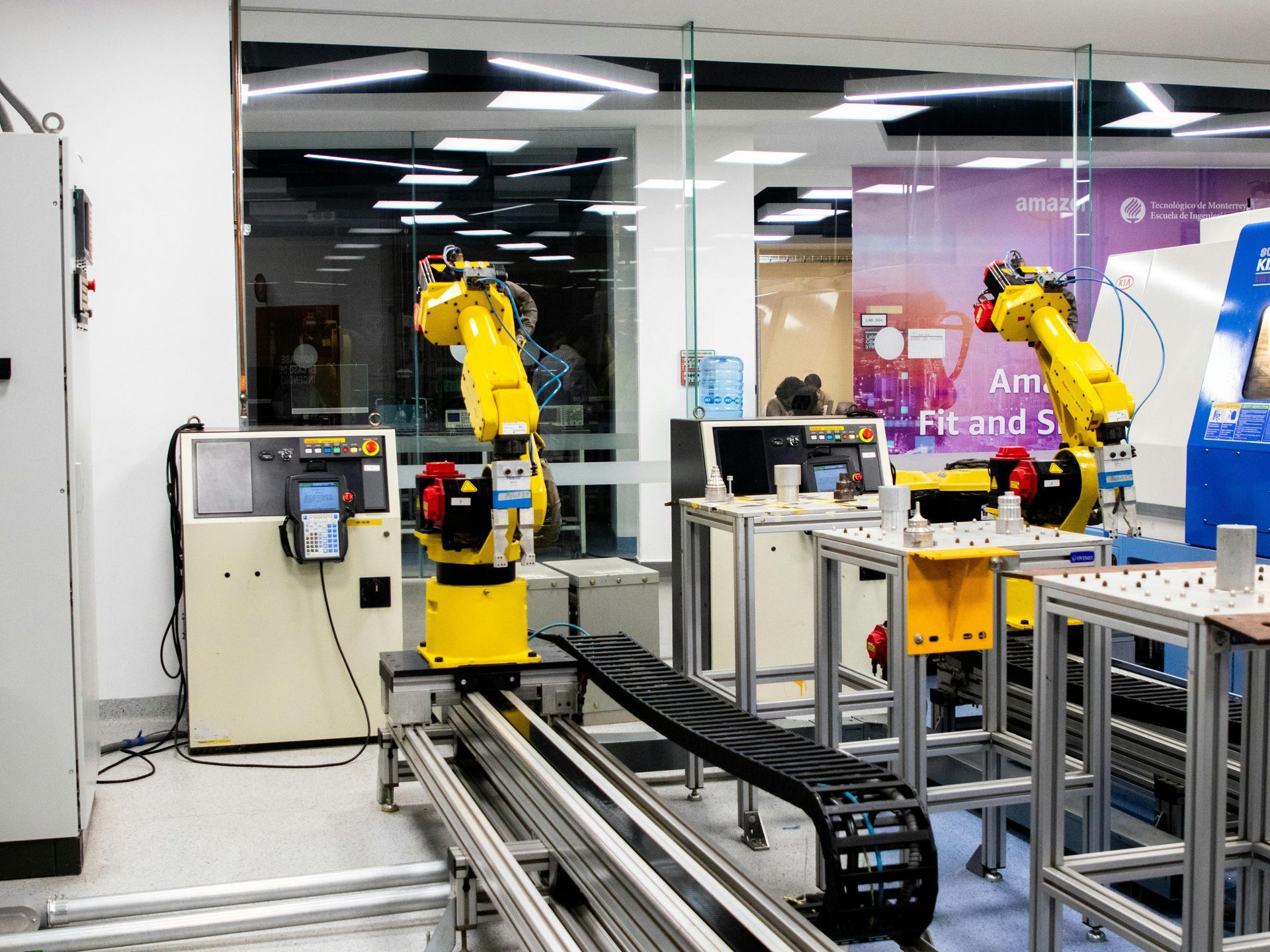

Overview of Automated Storage and Retrieval Systems (AS/RS)


Automated Storage and Retrieval Systems (AS/RS) are advanced technological solutions that enhance warehouse efficiency by automating inventory management and order fulfillment processes. By utilizing computer-controlled systems, AS/RS can significantly improve storage density, streamline inventory management, and enhance overall safety within warehouse environments. The global market for AS/RS is projected to grow from $8.74 billion in 2023 to $17.33 billion by 2032, reflecting a compound annual growth rate (CAGR) of 7.9% warehouse operations. One notable example is the deployment of AS/RS in e-commerce warehouses, where demand for rapid order fulfillment has led to the implementation of these systems, resulting in a decrease in order picking time by up to 50%.

The operation of AS/RS is characterized by its ability to provide real-time inventory tracking, allowing businesses to respond swiftly to changes in supply chain dynamics. Additionally, AS/RS systems optimize the physical footprint of warehouses by maximizing vertical space utilization, enabling companies to operate efficiently in smaller facilities. These systems provide a competitive edge in high-demand environments where speed and accuracy are essential for customer satisfaction.


Key Components of AS/RS


AS/RS encompasses various types of systems tailored to meet specific operational needs, including Vertical Lift Modules (VLMs), Mini-Load AS/RS, Unit-Load AS/RS, and robotic storage systems. Each type of AS/RS is designed to improve space utilization, allowing for denser storage compared to traditional manual systems, thus maximizing floor space. For instance, a Mini-Load AS/RS is particularly effective for small item storage and retrieval, enabling warehouses to optimize their operations while minimizing the physical footprint.

Integration with other technologies, such as autonomous mobile robots (AMRs), further enhances the flexibility and scalability of warehouse operations. The choice of AS/RS should be based on factors like throughput requirements, SKU profiles, and overall warehouse layout to achieve optimal performance. Key components often include automated conveyors, shuttles, and carousels, each serving unique functions in the material handling process, which collectively contribute to a more efficient workflow within the warehouse.


Benefits of Implementing AS/RS


Implementing AS/RS can lead to substantial cost reductions in warehouse operations, with estimates suggesting savings of up to 40% and accuracy rates exceeding 99%. This technology not only enhances order fulfillment speed but also improves safety by minimizing the need for manual handling of heavy items, thereby reducing workplace injury rates by over 20%. For example, a pharmaceutical company that adopted AS/RS reported improved order processing times and a safer working environment, allowing employees to focus on higher-value tasks rather than repetitive manual labor.

The financial benefits of AS/RS are significant, with businesses typically realizing a return on investment (ROI) within three to five years post-implementation. Furthermore, AS/RS contributes to labor efficiency by automating repetitive tasks, enabling skilled workers to engage in more strategic activities that add value to the organization. Overall, the benefits of AS/RS extend beyond immediate cost savings to encompass improved inventory accuracy, reduced stock discrepancies, and optimized stock levels.


Case Studies and Industry Applications


AS/RS technology has found applications across diverse industries, including e-commerce, automotive, pharmaceuticals, and food and beverage. Companies that have implemented AS/RS solutions report remarkable improvements, such as pick accuracy rates reaching up to 99.9% and doubled picking throughput. For instance, a major retailer that incorporated AS/RS into their logistics operations experienced a 30% reduction in order cycle time, showcasing the immediate and transformative effects of this technology.

The first AS/RS was installed for Bertelsmann in 1962, highlighting the longstanding effectiveness of these systems in enhancing warehouse logistics. These applications are particularly beneficial in high-volume environments, where traditional manual methods often struggle to keep pace with increasing demand. Case studies reveal that organizations adopting AS/RS have not only maintained a competitive edge but also significantly improved their service levels and responsiveness to market changes.


Future Trends in Warehouse Automation


The future of warehouse automation is increasingly tied to advancements in AS/RS technology, with trends such as the integration of AI and machine learning to optimize storage strategies and order picking efficiency. Hybrid systems that combine AS/RS with AMRs are emerging to address the growing demands of e-commerce and supply chain optimization. For instance, energy-efficient AS/RS designs are projected to reduce energy consumption by up to 25%, aligning with sustainability goals and operational efficiency.

Additionally, the trend towards smart warehousing involves utilizing IoT technology to enhance connectivity and intelligence within AS/RS. Future developments are expected to focus on scalability and modularity, allowing warehouses to adapt swiftly to changing business needs. The integration of data analytics with AS/RS will enable predictive maintenance, which helps reduce downtime and operational disruptions while enhancing overall reliability.


Strategic Importance of AS/RS in Modern Warehousing


The strategic importance of AS/RS in modern warehousing cannot be overstated. As companies aim to remain competitive in fast-paced markets, the adoption of AS/RS is becoming a core strategy for operational efficiency. Investing in these systems not only leads to significant long-term savings but also supports overall supply chain optimization efforts, with ROI typically realized within three to five years.

Organizations should conduct a thorough analysis of their specific needs and existing processes to identify areas where AS/RS can deliver the greatest benefits. The ongoing evolution of AS/RS technology continues to reshape the logistics landscape, driving new innovations that enhance efficiency in warehousing. Strategic planning for AS/RS integration is essential to ensure alignment with overall business objectives, ultimately supporting improved inventory management and operational excellence in the logistics sector.


15 December 2025
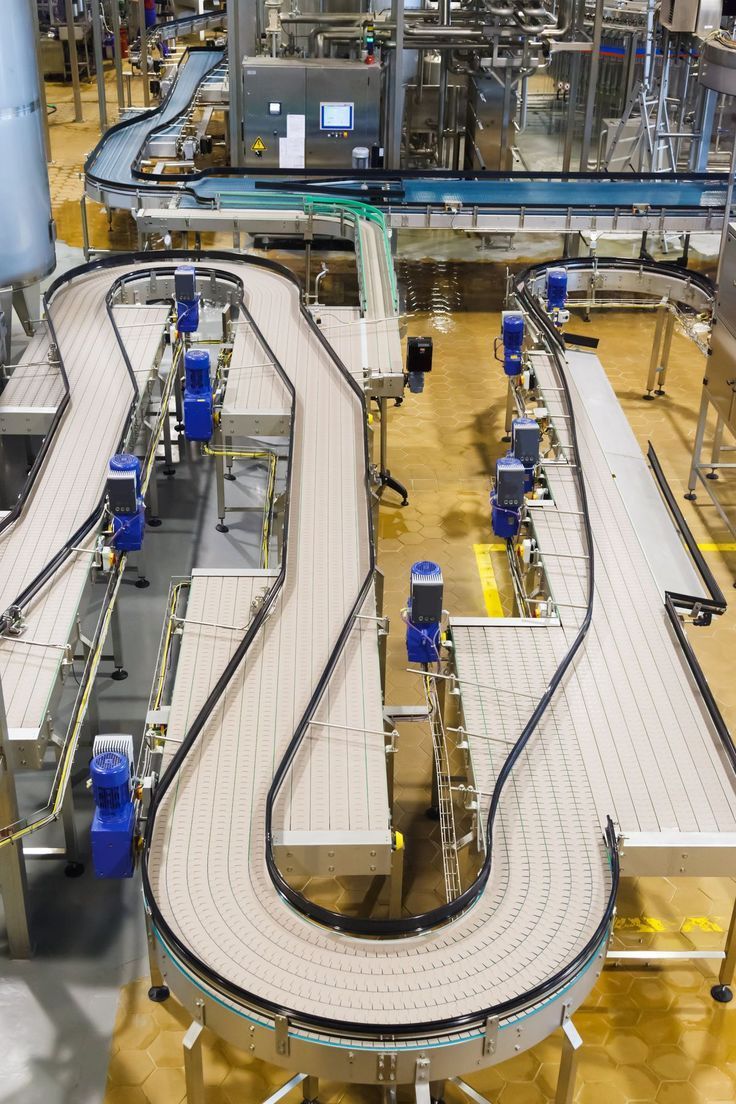
These days, sustainability isn’t just a buzzword—it’s a crucial factor in how businesses operate. With growing concerns about climate change and environmental impact, companies across industries are searching for ways to go green. One area where significant changes are happening is in material handling, particularly with conveyor systems.
16 April 2025
Introduction to AI in PLC Programming Industrial automation is crucial for controlling machinery, processes, and even entire production lines. Leading manufacturers such as Siemens and Rockwell have established their dominance in the PLC market by continuously innovating and adapting to the needs of the industry. The incorporation of artificial intelligence (AI) into PLC programming represents a significant leap forward in enhancing the efficiency, accuracy, and flexibility of coding practices. As industrial processes become increasingly complex, AI provides pivotal support in developing effective coding solutions that can adapt to evolving industry standards. AI's unique ability to analyze vast amounts of data and learn from historical performance allows it to offer tailored coding solutions that improve productivity. By working alongside human developers, AI tools not only streamline the coding process but also help ensure that the resulting code is robust, efficient, and easy to maintain. This synergy between human expertise and AI assistance represents a transformative shift in how PLC programming is approached, ultimately leading to better outcomes in industrial automation. The Role of Artificial Intelligence in Automation Artificial intelligence significantly reduces programming and engineering efforts for automation solutions, allowing developers to focus on higher-level tasks rather than repetitive coding challenges. For instance, AI tools can automate the generation of control logic, making production processes more flexible and precise. By analyzing historical data, AI can inform and optimize future programming decisions, leading to enhanced overall system performance. This results in significant cost savings, as AI can minimize downtime and improve operational efficiencies. Moreover, the integration of AI into existing automation categories—such as design, operations, logistics, and maintenance—enables a more cohesive approach to system management. The evolving capabilities of AI technologies promise ongoing improvements in automation practices, ensuring that organizations remain competitive in an ever-changing industrial landscape. Generative AI and PLC Programming Generative AI is a game-changer in PLC programming, particularly in its ability to break down complex PLC code into manageable program organization units (POUs). This enhanced organization allows developers to focus on specific sections of code, making it easier to debug and improve readability. Retrieval-Augmented Generation (RAG) systems further improve large language models by incorporating external data, which increases the accuracy of code generation. For example, an AI tool can estimate program complexity and recommend methods to simplify the code, enhancing its clarity and maintenance potential. AI also automates repetitive tasks, enabling developers to concentrate on more complex programming challenges. By providing real-time suggestions and error-checking capabilities, generative AI fosters a collaborative coding environment that enhances productivity and reduces the likelihood of errors in PLC code. Customization of AI Tools for PLC Coding While AI has tremendous potential in PLC programming, it requires customization to avoid inaccuracies, particularly in specific coding practices. Developers can refine AI outputs by integrating their own coding standards and machine specifications, ensuring that the generated code aligns with operational requirements. The necessity for verification in industrial settings is paramount, as reliability is crucial in automated systems. Customizable AI tools can learn from user inputs, gradually improving their accuracy and relevance to specific projects. Tailoring AI systems to fit unique operational environments enhances their effectiveness in generating appropriate code. Continuous feedback loops between developers and AI can refine the coding process, leading to higher quality outputs that meet the specific needs of each project. Enhancing Version Control with AI Version control is vital in PLC programming to maintain code integrity and facilitate collaboration among teams. Major PLC vendors like Rockwell and Siemens are integrating AI into their version control systems to enhance code management. AI automates tasks within version control processes, improving collaboration and code quality. For example, cloud-based solutions allow for real-time change management and intelligent code analysis, streamlining the collaborative coding experience. AI can track changes and provide insights into the history of code modifications, improving traceability and reducing the risk of errors during deployment. The adoption of Git technology in PLC programming enables distributed version control, further enhancing team collaboration across various projects. Real-World Applications of AI in PLC Programming At industry events, companies like Schneider Electric and Siemens have showcased AI tools that generate structured code for specific applications, such as liquid filling systems. These AI-generated codes undergo testing in simulators before implementation to prevent errors from propagating in real-world settings. The ability of AI to generate comments within the code enhances clarity, making it easier for developers to understand and maintain the code over time. AI tools also assist in troubleshooting by providing suggestions based on historical performance data. Case studies demonstrate that the integration of AI into PLC programming significantly reduces programming time and improves accuracy, thus transforming the landscape of industrial automation. Future Trends and Considerations The future of AI in PLC programming is poised for significant advancements, particularly in open process automation and AI-driven solutions for intelligent version control. Predictive models and embedded AI will provide actionable insights for maintenance teams, enhancing operational efficiency. Additionally, ongoing development in AI capabilities may support more advanced functions in PLC programming, such as servo motion control and robotics. Emerging AI technologies hold the potential for real-time monitoring and adjustments to PLC performance based on operational conditions. Future iterations of AI tools are likely to incorporate machine learning capabilities, further increasing their adaptability and effectiveness. As the industry moves towards digital twins, the integration of AI for simulating and optimizing PLC performance in virtual environments will become increasingly important. Conclusion: The Future of AI in PLC Coding The integration of AI into PLC coding for Siemens and Rockwell systems presents transformative potential for developers in industrial automation. By embracing AI tools, developers can achieve greater efficiency and accuracy in their coding practices. Ongoing advancements in AI technology are crucial for the future of PLC programming, and the collaborative relationship between developers and AI will drive innovation in industrial automation. Continued research and investment in AI applications are essential to fully realize their capabilities in enhancing PLC programming processes.