
Accelerating Into the Future: The Surge of Warehouse Automation and Its Impact on Logistics

13 January 2025

Discover the key reasons driving the rapid acceleration of warehouse automation, from increased demand for faster deliveries to cost reductions and technological advancements.
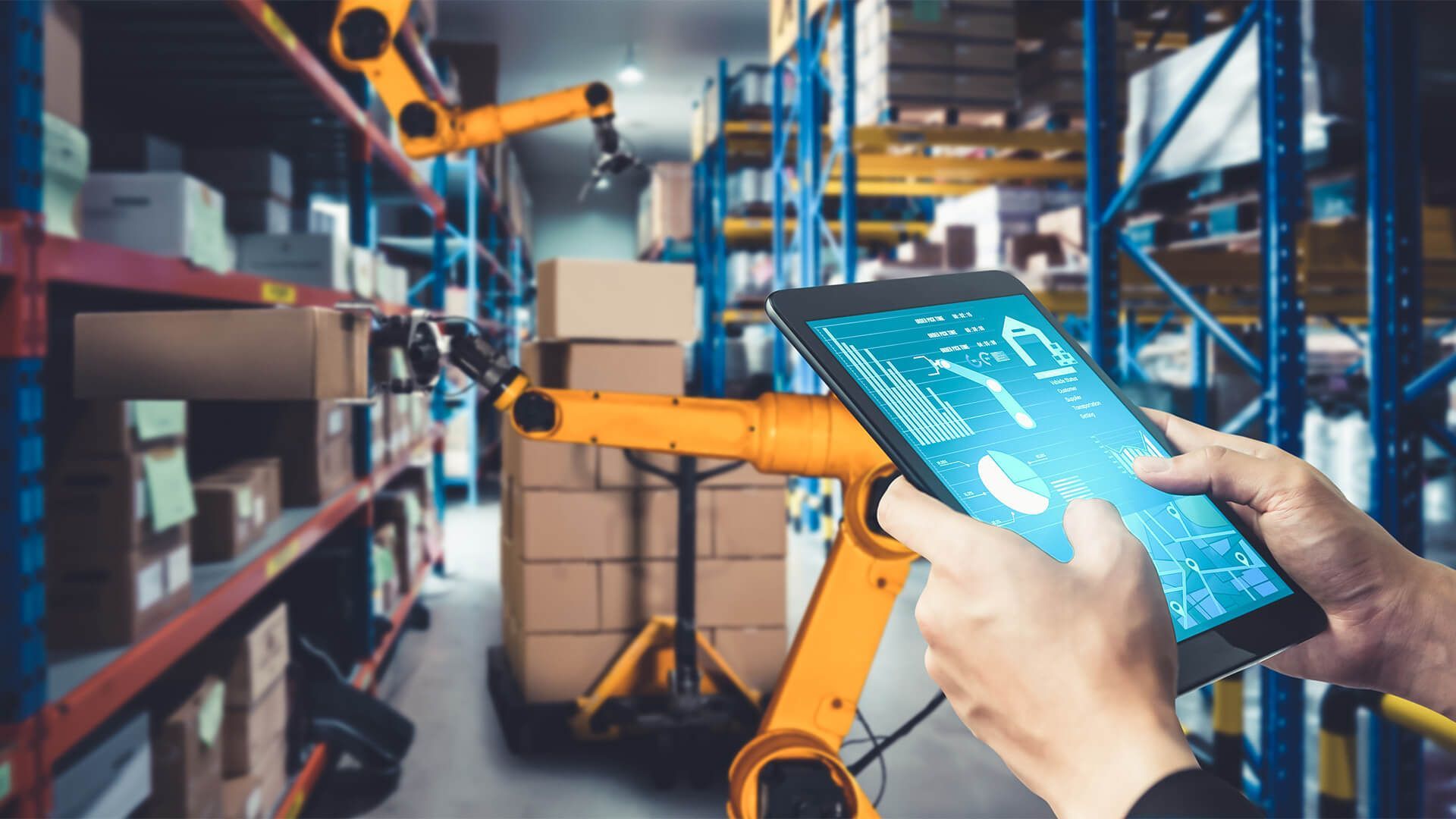
Warehouse automation is rapidly expanding, with projections indicating that the sector could reach revenues of $51.4 billion by 2025, a significant rebound following economic fluctuations. As of 2023, the global warehouse automation market was valued at approximately $19.23 billion, with an anticipated compound annual growth rate (CAGR) of 18.7% from 2024 to 2030, driven by the warehouse automation market which is rapidly expanding. This surge can largely be attributed to the dramatic increase in online shopping during the COVID-19 pandemic, which necessitated automation solutions to efficiently handle the rising order volumes and maintain operational efficiency.

The post-pandemic landscape has shifted supply chain strategies, leading companies to invest in automation technologies to better manage unpredictable consumer behavior and increased inventory levels. For instance, many businesses are moving towards “just-in-time” and “just-in-case” supply chains, prompting investments in automation to ensure timely deliveries and minimize stockouts.

Increasing Demand for Faster Delivery Times.


The growth of e-commerce has driven the need for faster order fulfillment, leading to increased investments in automated solutions. As customer expectations for rapid delivery times continue to rise, businesses find themselves compelled to adopt advanced warehouse technologies to keep pace. Companies are increasingly adjusting their inventory management strategies to accommodate unpredictable consumer behavior, which often necessitates automation to manage effectively.


For example, many retailers are now maintaining higher inventory levels to ensure they can meet customer demands without delays. This shift pushes them towards adopting warehouse automation systems that enhance their capability to process orders quickly and accurately. The demand for efficiency in supply chains has never been more critical, as the shift towards "just-in-time" and "just-in-case" supply chains promotes investment in automated technologies that ensure timely delivery and reduce stockouts.


Cost Reduction Through Automation

One of the most compelling reasons for businesses to adopt warehouse automation is the potential for significant cost reduction. Automation technologies can drastically lower labor costs, enabling 24/7 operations without the need for multiple shifts. Companies implementing these systems have reported improved data accuracy and reduced operational costs due to a decrease in human error, ultimately leading to more streamlined operations.


The long-term return on investment (ROI) for warehouse automation often justifies the initial costs, with many businesses experiencing a payback period of under two years. For instance, companies that have embraced automation not only benefit from reduced labor expenses but also from enhanced productivity and efficiency, resulting in a more cost-effective operation.

Improved Accuracy and Efficiency in Inventory Management


Automated storage and retrieval systems (AS/RS) play a crucial role in improving inventory accuracy and retrieval speed, which directly impacts order fulfillment times. The integration of artificial intelligence (AI) and robotics within warehouses has demonstrated the ability to enhance operational efficiency, resulting in a reduction of picking errors by as much as 30%. This level of accuracy is essential in an era where customers expect precision in order fulfillment.

Moreover, real-time data analytics powered by automation enables businesses to make informed decisions regarding stock levels and replenishment. For instance, companies leveraging automated systems can monitor inventory continuously, allowing for timely restocking and better inventory management, which ultimately leads to improved customer satisfaction.


The Role of Technology in Warehouse Operations

Key technologies driving warehouse automation include Goods-to-Person (GTP) systems, Autonomous Mobile Robots (AMRs), and Automated Guided Vehicles (AGVs). As the landscape of logistics evolves, advanced automation solutions like voice picking systems and real-time inventory tracking are becoming essential for maintaining operational efficiency.

The integration of Internet of Things (IoT) devices in warehouses facilitates predictive maintenance, reducing equipment downtime by up to 20%. This technological convergence not only enhances productivity but also ensures that warehouses remain adaptable to changing demands in the logistics sector.


Case Studies of Successful Automation Implementations

Numerous companies have successfully integrated warehouse automation into their operations, demonstrating the tangible benefits of these technologies. For instance, Amazon has employed barcode scanning and robotic systems, leading to significant increases in throughput and customer satisfaction. Nike's implementation of GTP systems has greatly improved their order processing speed and accuracy, serving as a benchmark for the industry.

Similarly, logistics giants like Maersk and DHL are making substantial investments in automation technologies to address labor challenges and meet the growing demands of e-commerce. These real-world examples highlight the effectiveness of warehouse automation in enhancing operational efficiency and meeting customer expectations.


Challenges of Warehouse Automation

Despite the numerous benefits, businesses face several challenges when implementing warehouse automation. High upfront costs and the complexity of integrating new technologies can deter companies from pursuing automation. Additionally, concerns regarding workforce displacement necessitate that businesses consider retraining and upskilling employees as part of their automation strategy.

The need for specialized skills to operate and maintain automated systems presents another significant challenge for many organizations, requiring ongoing training programs to equip staff with the necessary expertise. Addressing these challenges is crucial for companies aiming to successfully transition to automated warehouse operations.


Future Trends and Implications of Warehouse Automation

The future of warehouse automation is set to be shaped by the convergence of technology, consumer demand, and the necessity for operational efficiency. Companies that embrace automation trends will be better positioned to enhance resilience and adaptability in a rapidly evolving market. Furthermore, the rise of AI and machine learning within logistics is expected to further revolutionize warehouse operations, facilitating smarter decision-making processes.

As businesses continue to navigate the complexities of supply chains, adopting warehouse automation will become increasingly vital for enhancing overall supply chain efficiency and meeting customer demands in a cost-effective manner. The evolution of smart warehouses leveraging IoT and data analytics will play a critical role in this transformation, ensuring that logistics operations remain agile and responsive to market changes.

15 December 2025
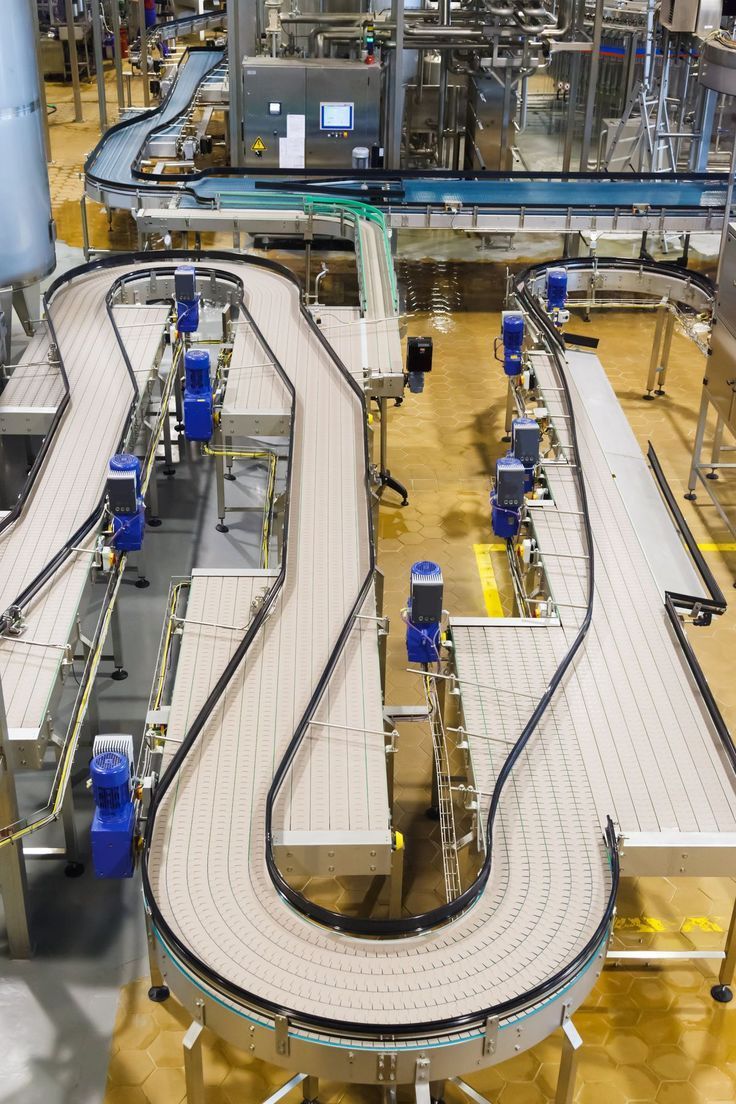
These days, sustainability isn’t just a buzzword—it’s a crucial factor in how businesses operate. With growing concerns about climate change and environmental impact, companies across industries are searching for ways to go green. One area where significant changes are happening is in material handling, particularly with conveyor systems.
16 April 2025
Introduction to AI in PLC Programming Industrial automation is crucial for controlling machinery, processes, and even entire production lines. Leading manufacturers such as Siemens and Rockwell have established their dominance in the PLC market by continuously innovating and adapting to the needs of the industry. The incorporation of artificial intelligence (AI) into PLC programming represents a significant leap forward in enhancing the efficiency, accuracy, and flexibility of coding practices. As industrial processes become increasingly complex, AI provides pivotal support in developing effective coding solutions that can adapt to evolving industry standards. AI's unique ability to analyze vast amounts of data and learn from historical performance allows it to offer tailored coding solutions that improve productivity. By working alongside human developers, AI tools not only streamline the coding process but also help ensure that the resulting code is robust, efficient, and easy to maintain. This synergy between human expertise and AI assistance represents a transformative shift in how PLC programming is approached, ultimately leading to better outcomes in industrial automation. The Role of Artificial Intelligence in Automation Artificial intelligence significantly reduces programming and engineering efforts for automation solutions, allowing developers to focus on higher-level tasks rather than repetitive coding challenges. For instance, AI tools can automate the generation of control logic, making production processes more flexible and precise. By analyzing historical data, AI can inform and optimize future programming decisions, leading to enhanced overall system performance. This results in significant cost savings, as AI can minimize downtime and improve operational efficiencies. Moreover, the integration of AI into existing automation categories—such as design, operations, logistics, and maintenance—enables a more cohesive approach to system management. The evolving capabilities of AI technologies promise ongoing improvements in automation practices, ensuring that organizations remain competitive in an ever-changing industrial landscape. Generative AI and PLC Programming Generative AI is a game-changer in PLC programming, particularly in its ability to break down complex PLC code into manageable program organization units (POUs). This enhanced organization allows developers to focus on specific sections of code, making it easier to debug and improve readability. Retrieval-Augmented Generation (RAG) systems further improve large language models by incorporating external data, which increases the accuracy of code generation. For example, an AI tool can estimate program complexity and recommend methods to simplify the code, enhancing its clarity and maintenance potential. AI also automates repetitive tasks, enabling developers to concentrate on more complex programming challenges. By providing real-time suggestions and error-checking capabilities, generative AI fosters a collaborative coding environment that enhances productivity and reduces the likelihood of errors in PLC code. Customization of AI Tools for PLC Coding While AI has tremendous potential in PLC programming, it requires customization to avoid inaccuracies, particularly in specific coding practices. Developers can refine AI outputs by integrating their own coding standards and machine specifications, ensuring that the generated code aligns with operational requirements. The necessity for verification in industrial settings is paramount, as reliability is crucial in automated systems. Customizable AI tools can learn from user inputs, gradually improving their accuracy and relevance to specific projects. Tailoring AI systems to fit unique operational environments enhances their effectiveness in generating appropriate code. Continuous feedback loops between developers and AI can refine the coding process, leading to higher quality outputs that meet the specific needs of each project. Enhancing Version Control with AI Version control is vital in PLC programming to maintain code integrity and facilitate collaboration among teams. Major PLC vendors like Rockwell and Siemens are integrating AI into their version control systems to enhance code management. AI automates tasks within version control processes, improving collaboration and code quality. For example, cloud-based solutions allow for real-time change management and intelligent code analysis, streamlining the collaborative coding experience. AI can track changes and provide insights into the history of code modifications, improving traceability and reducing the risk of errors during deployment. The adoption of Git technology in PLC programming enables distributed version control, further enhancing team collaboration across various projects. Real-World Applications of AI in PLC Programming At industry events, companies like Schneider Electric and Siemens have showcased AI tools that generate structured code for specific applications, such as liquid filling systems. These AI-generated codes undergo testing in simulators before implementation to prevent errors from propagating in real-world settings. The ability of AI to generate comments within the code enhances clarity, making it easier for developers to understand and maintain the code over time. AI tools also assist in troubleshooting by providing suggestions based on historical performance data. Case studies demonstrate that the integration of AI into PLC programming significantly reduces programming time and improves accuracy, thus transforming the landscape of industrial automation. Future Trends and Considerations The future of AI in PLC programming is poised for significant advancements, particularly in open process automation and AI-driven solutions for intelligent version control. Predictive models and embedded AI will provide actionable insights for maintenance teams, enhancing operational efficiency. Additionally, ongoing development in AI capabilities may support more advanced functions in PLC programming, such as servo motion control and robotics. Emerging AI technologies hold the potential for real-time monitoring and adjustments to PLC performance based on operational conditions. Future iterations of AI tools are likely to incorporate machine learning capabilities, further increasing their adaptability and effectiveness. As the industry moves towards digital twins, the integration of AI for simulating and optimizing PLC performance in virtual environments will become increasingly important. Conclusion: The Future of AI in PLC Coding The integration of AI into PLC coding for Siemens and Rockwell systems presents transformative potential for developers in industrial automation. By embracing AI tools, developers can achieve greater efficiency and accuracy in their coding practices. Ongoing advancements in AI technology are crucial for the future of PLC programming, and the collaborative relationship between developers and AI will drive innovation in industrial automation. Continued research and investment in AI applications are essential to fully realize their capabilities in enhancing PLC programming processes.