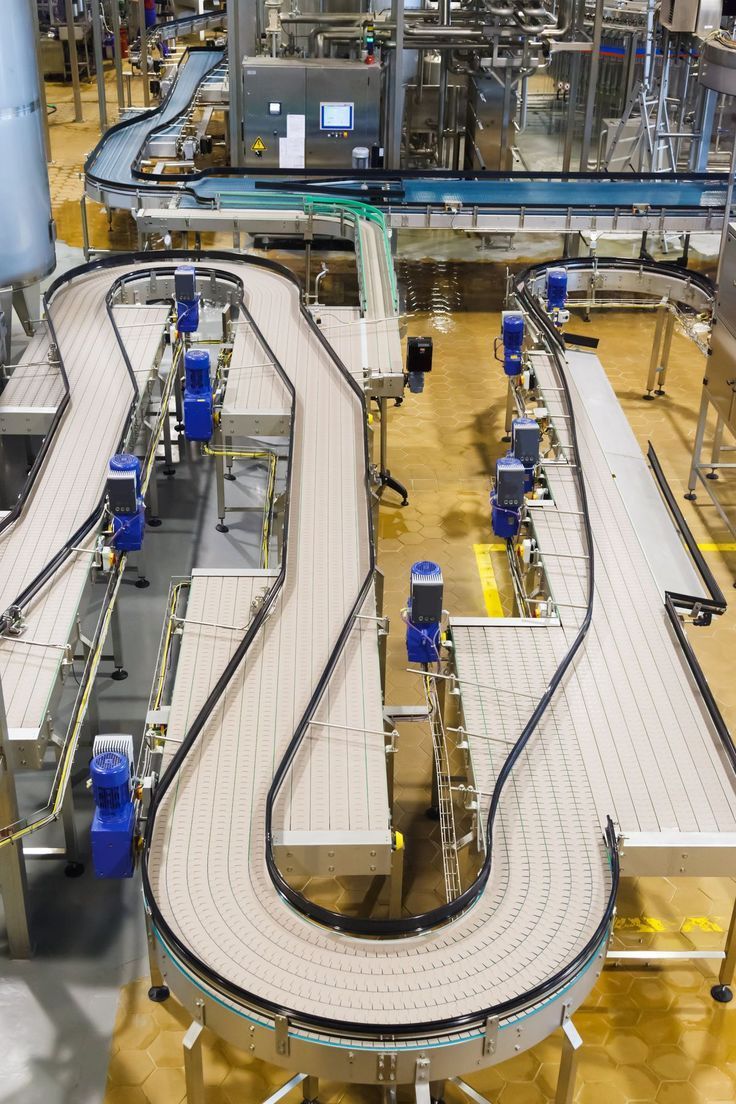
The Automated Logistics Revolution: Reshaping Efficiency and Productivity
Exploring the impact of automation on the logistics industry, from the current state to emerging technologies, benefits, challenges, and future predictions.
Introduction to the Future of Automated Logistics
Automation is revolutionizing traditional logistics processes by introducing efficiency and addressing challenges faced by the industry, such as workforce shortages, rising costs, and the impacts of external factors like the COVID-19 pandemic. The logistics sector is increasingly focusing on automation to enhance productivity and efficiency. By leveraging automation technologies, companies aim to streamline operations and adapt to the evolving demands of the modern supply chain landscape.
The key role of automation in the logistics sector cannot be understated. As logistics companies navigate through competitive dynamics and technological advancements, automation emerges as a critical tool in driving innovation and meeting customer expectations. The future of automated logistics holds immense potential for reshaping the industry and optimizing supply chain operations for enhanced performance.
Current State of Automated Logistics
Logistics companies are cautiously investing in warehouse automation as they navigate the competitive landscape influenced by the rise of e-commerce. The impact of automation extends across various logistics segments, including autonomous trucking, port automation, and the potential for automation in ocean and air freight [1]. Parcel companies are faced with strategic decisions regarding the type of automation equipment to deploy and the level of investment required to meet the evolving demands of the market.
For instance, the transportation-and-warehousing sector shows significant automation potential, driven by the need for efficiency and cost-effectiveness in operations. Despite the hesitancy in fully embracing automation, logistics companies are gradually recognizing the benefits and opportunities that automation can bring to their operations.
Emerging Technologies in Automated Logistics
Smart warehouses equipped with advanced technology are playing a pivotal role in enhancing parcel storage and shipping activities within the logistics industry. The adoption of decentralized warehousing models , where smaller warehouses are connected to main facilities, is gaining traction to reduce costs and alleviate congestion. Automation solutions are being tailored to address the labor crisis and meet the dynamic demands of customers, driving operational efficiency and flexibility in logistics operations.
The integration of automation in logistics operations is not only streamlining processes but also offering personalized solutions to cater to unique challenges faced by the industry. By embracing advanced technologies and automation, logistics companies are positioning themselves for sustainable growth and resilience in the face of evolving market dynamics.
Benefits of Automation in the Logistics Industry
Automation in the logistics industry is enhancing human capabilities rather than replacing them entirely. Future warehouses are expected to witness a blend of AI/Robotics with human employees, necessitating a shift towards more intellectual skills. RFID technology is simplifying inventory management and bolstering automation capabilities in logistics operations. The coexistence of automated systems and human expertise is fostering a harmonious balance that leverages the strengths of both aspects to drive efficiency and innovation in the logistics sector.
Challenges and Concerns in Automated Logistics
Despite the numerous advantages that automation brings, challenges persist in its implementation within the logistics industry. High initial costs, technological complexities, and concerns regarding potential job displacement are prominent issues that companies need to address in the context of automated logistics. It is crucial for logistics companies to actively embrace automation to meet customer demands while supporting existing employees through the transition. Strategic evaluation of automation suitability, investment in appropriate technologies, and seamless integration with supply chain systems are imperative for successful automation adoption.
Predictions for the Future of Automated Logistics
The future of automated logistics is poised to be transformative for companies in the coming years. Anticipated solutions are expected to revolutionize operational processes and enhance efficiency within the industry. Outsourcing to third-party logistics providers may facilitate the rapid deployment of automation solutions, accelerating the pace of innovation and optimization in logistics operations. The emphasis on smart warehouses and local-to-local grid planning is projected to augment overall performance and efficiency in the logistics sector, aligning operations with the evolving demands of the market.