
Revolutionizing Predictive Maintenance in Logistics Automation

21 August 2024

Revolutionizing Predictive Maintenance: The Transformative Power of Augmented Reality

Discover how augmented reality is transforming predictive maintenance by enhancing technician efficiency and minimizing downtime in various industries.


The Impact of Augmented Reality on Predictive Maintenance

Augmented reality (AR) is a transformative technology that overlays digital information onto the real world, enhancing the capabilities of technicians during maintenance processes. In the context of predictive maintenance (PdM), AR provides real-time insights that can forecast equipment failures, thereby minimizing costly downtime. By integrating AR with PdM, industries can shift from reactive maintenance strategies to more proactive approaches, which significantly improves overall operational efficiency and effectiveness. The adoption of AR technologies is on the rise, and the market for applications targeting maintenance tasks is projected to grow considerably in the coming years.

An example of AR's impact is seen in the oil and gas sector, where AR assists technicians in identifying trends and potential issues before they escalate into significant problems. For instance, by overlaying real-time data onto the physical equipment, maintenance teams can detect changes in pressure within ducts, thus preventing costly shutdowns. This shift towards predictive maintenance, supported by AR, not only enhances productivity but also contributes to better decision-making in high-stakes environments.

Definition of Augmented Reality and Predictive Maintenance

Augmented reality is defined as a technology that combines real-world environments with computer-generated graphics to assist technicians in complex tasks, such as maintenance. This technology allows for the visualization of complex data sets, making it easier for technicians to understand equipment conditions and maintenance requirements. Predictive maintenance, on the other hand, involves the continuous monitoring of equipment performance using sensors and analytics, aiming to predict potential failures before they occur.

The integration of AR with machine learning algorithms enhances predictive maintenance by providing more accurate forecasts about equipment health. For example, AR applications can visualize historical data alongside current performance metrics, allowing technicians to make informed decisions about equipment servicing. This combination of technologies not only simplifies complex maintenance tasks but also empowers technicians with critical insights that lead to quicker resolutions.

How Augmented Reality Enhances Predictive Maintenance

The incorporation of augmented reality into predictive maintenance processes significantly enhances the efficiency and accuracy of maintenance operations. AR provides real-time data and alerts that empower technicians to make proactive maintenance decisions based on the current condition of equipment. Technologies such as smart glasses and mobile devices enable hands-free operation, allowing technicians to focus on their tasks with the support of visual guidance.

Moreover, AR integrated with Internet of Things (IoT) systems allows for continuous monitoring and diagnostics. For instance, a technician using an AR headset can receive real-time performance alerts while inspecting machinery, enabling them to address issues before they lead to failure. By overlaying historical performance data on visual representations of machinery, AR aids technicians in identifying patterns that inform maintenance strategies and reduce human error through clear, step-by-step instructions tailored to specific tasks.

Real-World Applications of Augmented Reality in Maintenance

Numerous companies have successfully integrated augmented reality into their maintenance strategies, leading to significant efficiency gains and reduced error rates. For example, Boeing and BMW have adopted AR in their maintenance processes, resulting in streamlined workflows and improved accuracy in repairs. One notable application is remote assistance, where off-site experts can guide technicians in real-time using AR, thus saving both travel costs and time.

In the automotive sector, AR is employed for tasks such as damage assessment and repair guidance. Technicians can utilize AR to visualize complex parts and receive step-by-step instructions, which enhances the accuracy of vehicle repairs. Additionally, industries like manufacturing and aerospace are leveraging AR to improve maintenance workflows, enabling faster turnaround times for repairs and reducing the chances of human error through immersive training experiences.

Benefits of Augmented Reality in Predictive Maintenance

Companies implementing augmented reality in their predictive maintenance strategies can expect numerous benefits. One of the most significant advantages is the reduction in mean time to repair (MTTR), as AR provides context-specific instructions and information that enhance technician productivity. Furthermore, the implementation of AR can lead to lower maintenance costs and improved operational efficiency, as technicians can quickly diagnose and address issues.

Enhanced training capabilities through AR also result in better knowledge retention and faster onboarding for new technicians. For instance, immersive AR training programs allow new hires to practice in a risk-free environment, improving their skills before they engage in real-world maintenance tasks. By facilitating remote collaboration, AR minimizes the necessity for on-site visits, thereby decreasing travel costs and time delays associated with maintenance operations.

Future Trends in Augmented Reality for Predictive Maintenance

The future of augmented reality in predictive maintenance is bright, with expectations for substantial growth in the AR market. Innovations such as haptic feedback technology are anticipated to enhance training simulations for technicians, providing a more interactive learning experience. Future applications will likely see deeper integration with Industry 4.0 technologies, including digital twins and AI-driven analytics, further streamlining maintenance processes and making them more efficient.

AR tools are expected to evolve, supporting more complex maintenance tasks and improving predictive diagnostics. For example, innovations may include augmented training modules that utilize gamification to enhance learning experiences for technicians, making training more engaging and effective. As AR technology continues to advance, it will play a crucial role in developing smarter maintenance solutions, optimizing resource allocation, and improving task scheduling across various industries.

The Role of Augmented Reality in Enhancing Maintenance Practices

Augmented reality is pivotal in the evolution of predictive maintenance, driving efficiency and accuracy in maintenance operations across multiple sectors. As technology progresses, the integration of AR in predictive maintenance will likely become increasingly prevalent, reshaping industry standards and practices. The collaboration between AR and other emerging technologies will facilitate the development of intelligent maintenance solutions that optimize resource allocation and task scheduling, ultimately leading to increased operational efficiency and reduced maintenance costs.

15 December 2025
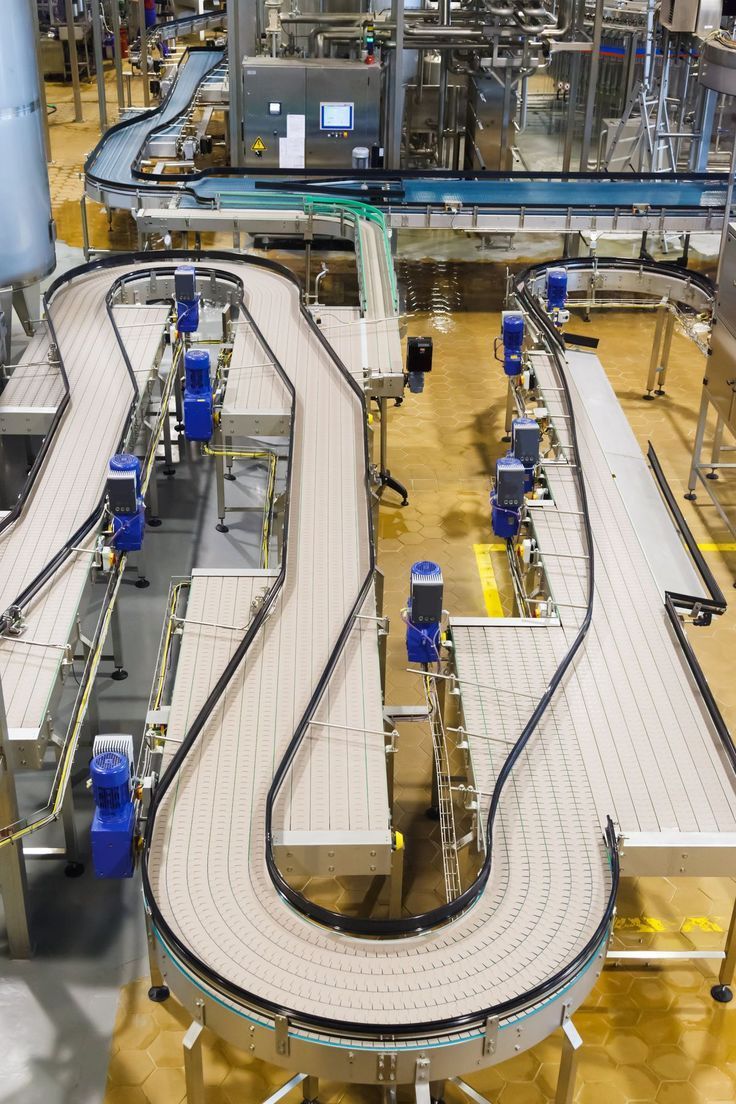
These days, sustainability isn’t just a buzzword—it’s a crucial factor in how businesses operate. With growing concerns about climate change and environmental impact, companies across industries are searching for ways to go green. One area where significant changes are happening is in material handling, particularly with conveyor systems.
16 April 2025
Introduction to AI in PLC Programming Industrial automation is crucial for controlling machinery, processes, and even entire production lines. Leading manufacturers such as Siemens and Rockwell have established their dominance in the PLC market by continuously innovating and adapting to the needs of the industry. The incorporation of artificial intelligence (AI) into PLC programming represents a significant leap forward in enhancing the efficiency, accuracy, and flexibility of coding practices. As industrial processes become increasingly complex, AI provides pivotal support in developing effective coding solutions that can adapt to evolving industry standards. AI's unique ability to analyze vast amounts of data and learn from historical performance allows it to offer tailored coding solutions that improve productivity. By working alongside human developers, AI tools not only streamline the coding process but also help ensure that the resulting code is robust, efficient, and easy to maintain. This synergy between human expertise and AI assistance represents a transformative shift in how PLC programming is approached, ultimately leading to better outcomes in industrial automation. The Role of Artificial Intelligence in Automation Artificial intelligence significantly reduces programming and engineering efforts for automation solutions, allowing developers to focus on higher-level tasks rather than repetitive coding challenges. For instance, AI tools can automate the generation of control logic, making production processes more flexible and precise. By analyzing historical data, AI can inform and optimize future programming decisions, leading to enhanced overall system performance. This results in significant cost savings, as AI can minimize downtime and improve operational efficiencies. Moreover, the integration of AI into existing automation categories—such as design, operations, logistics, and maintenance—enables a more cohesive approach to system management. The evolving capabilities of AI technologies promise ongoing improvements in automation practices, ensuring that organizations remain competitive in an ever-changing industrial landscape. Generative AI and PLC Programming Generative AI is a game-changer in PLC programming, particularly in its ability to break down complex PLC code into manageable program organization units (POUs). This enhanced organization allows developers to focus on specific sections of code, making it easier to debug and improve readability. Retrieval-Augmented Generation (RAG) systems further improve large language models by incorporating external data, which increases the accuracy of code generation. For example, an AI tool can estimate program complexity and recommend methods to simplify the code, enhancing its clarity and maintenance potential. AI also automates repetitive tasks, enabling developers to concentrate on more complex programming challenges. By providing real-time suggestions and error-checking capabilities, generative AI fosters a collaborative coding environment that enhances productivity and reduces the likelihood of errors in PLC code. Customization of AI Tools for PLC Coding While AI has tremendous potential in PLC programming, it requires customization to avoid inaccuracies, particularly in specific coding practices. Developers can refine AI outputs by integrating their own coding standards and machine specifications, ensuring that the generated code aligns with operational requirements. The necessity for verification in industrial settings is paramount, as reliability is crucial in automated systems. Customizable AI tools can learn from user inputs, gradually improving their accuracy and relevance to specific projects. Tailoring AI systems to fit unique operational environments enhances their effectiveness in generating appropriate code. Continuous feedback loops between developers and AI can refine the coding process, leading to higher quality outputs that meet the specific needs of each project. Enhancing Version Control with AI Version control is vital in PLC programming to maintain code integrity and facilitate collaboration among teams. Major PLC vendors like Rockwell and Siemens are integrating AI into their version control systems to enhance code management. AI automates tasks within version control processes, improving collaboration and code quality. For example, cloud-based solutions allow for real-time change management and intelligent code analysis, streamlining the collaborative coding experience. AI can track changes and provide insights into the history of code modifications, improving traceability and reducing the risk of errors during deployment. The adoption of Git technology in PLC programming enables distributed version control, further enhancing team collaboration across various projects. Real-World Applications of AI in PLC Programming At industry events, companies like Schneider Electric and Siemens have showcased AI tools that generate structured code for specific applications, such as liquid filling systems. These AI-generated codes undergo testing in simulators before implementation to prevent errors from propagating in real-world settings. The ability of AI to generate comments within the code enhances clarity, making it easier for developers to understand and maintain the code over time. AI tools also assist in troubleshooting by providing suggestions based on historical performance data. Case studies demonstrate that the integration of AI into PLC programming significantly reduces programming time and improves accuracy, thus transforming the landscape of industrial automation. Future Trends and Considerations The future of AI in PLC programming is poised for significant advancements, particularly in open process automation and AI-driven solutions for intelligent version control. Predictive models and embedded AI will provide actionable insights for maintenance teams, enhancing operational efficiency. Additionally, ongoing development in AI capabilities may support more advanced functions in PLC programming, such as servo motion control and robotics. Emerging AI technologies hold the potential for real-time monitoring and adjustments to PLC performance based on operational conditions. Future iterations of AI tools are likely to incorporate machine learning capabilities, further increasing their adaptability and effectiveness. As the industry moves towards digital twins, the integration of AI for simulating and optimizing PLC performance in virtual environments will become increasingly important. Conclusion: The Future of AI in PLC Coding The integration of AI into PLC coding for Siemens and Rockwell systems presents transformative potential for developers in industrial automation. By embracing AI tools, developers can achieve greater efficiency and accuracy in their coding practices. Ongoing advancements in AI technology are crucial for the future of PLC programming, and the collaborative relationship between developers and AI will drive innovation in industrial automation. Continued research and investment in AI applications are essential to fully realize their capabilities in enhancing PLC programming processes.