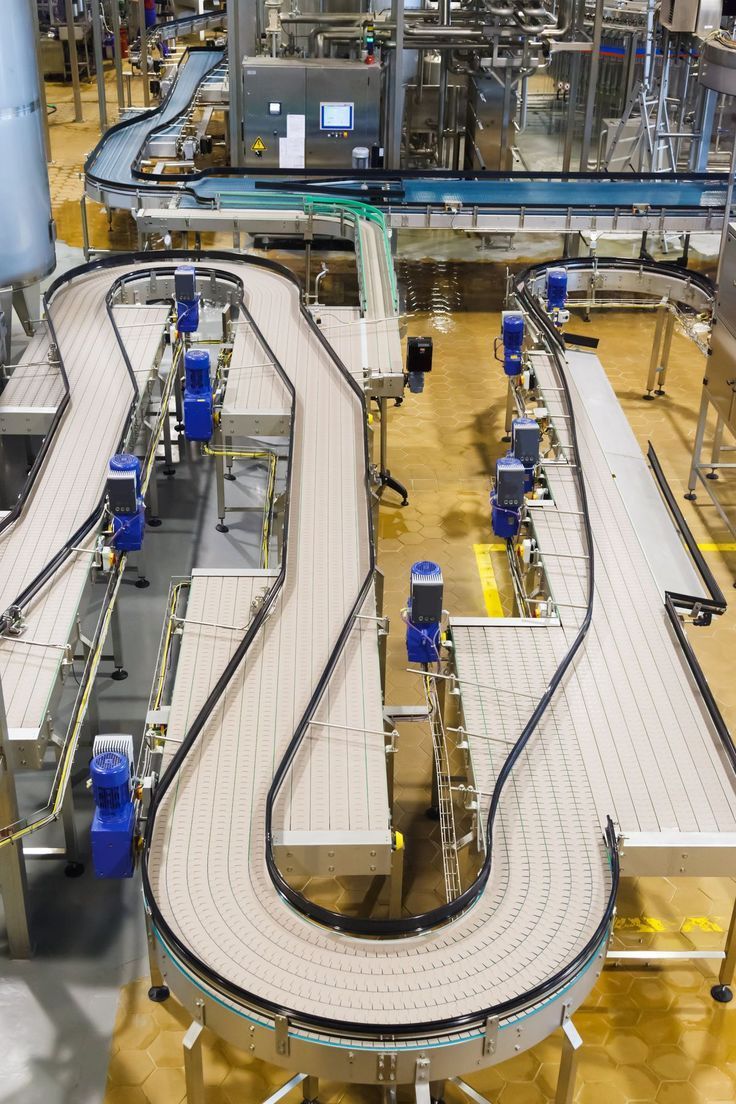
Leveraging Robotics and Conveyors for Streamlined Logistics Automation
Logistics automation refers to the use of technology like machinery and logistics software to improve the efficiency of logistical processes from procurement to production, inventory management, distribution, customer service, and recovery. The use of automation systems in logistics provides numerous benefits to businesses, especially in a world where e-commerce sales are at an all-time high. This article explores the concept of logistics automation, its importance, and the challenges that manual data entry presents in the industry.
Definition and Importance
Logistics automation systems represent a huge growth opportunity for businesses. In today's highly competitive market, companies need to streamline their processes to stay ahead of the competition. By leveraging automation, businesses can improve the efficiency of their logistics operations, reduce costs, and provide better service to their customers. With the increasing flow of goods worldwide, logistics automation has become a necessity for companies to remain competitive.
Challenges in Manual Data Entry
Manual data entry is a time-consuming and laborious task. Workers are required to examine paper or digital documents and manually input the data into spreadsheets or other business systems. This process is slow and repetitive, increasing the likelihood of errors.
In fact, 62% of inventory fulfillment issues are caused by human error.
Moreover, the cost associated with manual data entry can be significant, including misinformed business decisions, slower customer service, decreased productivity, and penalties for documentation errors. It is clear that manual data entry is both tedious and costly for logistics companies.
Cost Implications of Manual Data Entry
The cost of inputting data manually can be substantial, especially when dealing with hundreds or thousands of documents per month. In addition to paying staff to perform this time-consuming task, the risk of human error can lead to misinformed business decisions and a damaged reputation. Complex documents that require outside help take longer to process, resulting in slower customer service. The decreased productivity caused by low staff morale further adds to the cost.
Additionally, penalties for documentation errors can further increase the financial burden on logistics companies. It is evident that the cost implications of manual data entry are significant and can be a burden on the profitability of businesses.
Leveraging Off-the-Shelf Solutions
There are various logistics automation systems available that businesses can implement to streamline their operations. Some of the off-the-shelf solutions that have proven to be effective in improving efficiency and reducing costs include data capture software, inventory control systems, and predictive analytics.
Data Capture Software
Processing data from documents is a vital part of the supply chain. Manual data entry is time-consuming and error-prone, making it an inefficient process. One cost-efficient alternative is data capture software, such as Docparser. This software uses Optical Character Recognition (OCR), advanced pattern recognition, and anchor keywords to accurately extract data from large volumes of documents. It is easy to use and requires no technical skills, making it an ideal solution for businesses looking to automate their logistics data entry processes.
Inventory Control Systems
An inventory control system handles various aspects of inventory management, including purchasing, receiving, shipping, tracking, and reordering. These systems provide real-time visibility into stored goods or materials, enabling better stock control, reporting, forecasting, and waste reduction. By implementing an inventory control system, businesses can improve their overall efficiency and reduce costs associated with inventory management.
Predictive Analytics
Predictive analytics is a system that combines complex mathematical algorithms, cloud-based servers, and data analysis to produce forecasting models for demand, price strategies, optimal inventory levels, and optimal shipping frequency. By investing in predictive analytics, logistics companies can optimize their operations and save millions of dollars. This technology helps in determining underutilized vehicles, predicting buyer decisions for better delivery planning, and optimizing delivery routes. The use of predictive analytics provides businesses with a competitive advantage and enables them to stay ahead in the market.
Exploring Custom Solutions for Automation
While off-the-shelf solutions provide immediate benefits, some logistics operations require customized solutions to address specific needs. Two custom automation solutions that can significantly improve efficiency and reduce costs in logistics operations are warehouse robotics and custom logistics software.
Warehouse Robotics
The introduction of robotics has revolutionized the logistics industry. Automated forklifts, collaborative mobile robots, drones, and automated storage & retrieval systems have become common in warehouses and distribution centers. Automated machines can perform tasks with great accuracy and consistency, reducing the cost of errors and improving the safety of workers. Although acquiring the necessary equipment and software for warehouse automation can be costly, the long-term benefits make it a worthwhile investment. Warehouse automation allows businesses to handle higher volumes of goods and operate more efficiently.
Custom Logistics Software
Custom logistics software provides tailored solutions to address specific requirements of businesses. These solutions can include order and stock management, process automation, analytics, finance, business intelligence, and data security. Custom logistics software developers work closely with businesses to design and develop comprehensive solutions that align with their specific needs. Although custom solutions take longer to implement and can be more expensive than off-the-shelf systems, they offer a higher level of flexibility and customization.
Benefits of Automating Logistics Data Capture
Automating logistics data capture provides several benefits to businesses, including time-saving, reduced human error, easy access to data, and better customer service.
Time-saving Benefits
Automating data capture significantly reduces the time spent on processing documents. Businesses that receive a large volume of invoices, order confirmations, and shipping notices can save countless man-hours by automating the data capture process. This time-saving benefit becomes a competitive advantage in an industry where time is of the essence. Automated data capture is also the most affordable logistics automation system that businesses can implement.
Reduced Human Error
Manual data entry is prone to human error. Mistakes in data entry can cause delays, stress, misinformation, and financial costs. By automating data capture, businesses can eliminate the risk of human error and improve the accuracy and reliability of their data. This reduces costly errors and improves overall operational efficiency.
Easy Access to Logistics Data
Automated data capture provides quick access to logistics data, enabling faster report creation and informed decision-making. With automated data capture systems, managers can access crucial information promptly, allowing them to make data-driven decisions that can improve operational efficiency and reduce costs.
Enhanced Customer Service
Fast and reliable access to information is essential for providing excellent customer service. By automating processes such as transaction tracking, document processing, and up-to-date shipment status, businesses can deliver faster service at a lower cost, making them more competitive in the market. The ability to address customer requests quickly and provide timely updates improves overall customer satisfaction and helps retain existing customers while attracting new ones.
In conclusion, leveraging robotics and conveyors for streamlined logistics automation provides numerous benefits to businesses. The use of automation systems improves operational efficiency, reduces costs, and enhances customer service. By automating logistics data capture, businesses can save time, reduce human error, access data easily, and provide better customer service. Whether through off-the-shelf solutions or customized systems, logistics automation is essential for businesses aiming to stay competitive in today's fast-paced market.
Reference