How Green Conveyors Are Transforming Manufacturing
These days, sustainability isn’t just a buzzword—it’s a crucial factor in how businesses operate. With growing concerns about climate change and environmental impact, companies across industries are searching for ways to go green. One area where significant changes are happening is in material handling, particularly with conveyor systems.
The Push for Sustainability in Manufacturing
In recent years, there has been a strong push for sustainability across various sectors. Governments and consumers alike are demanding that companies reduce their carbon footprints and adopt greener practices. This shift is especially noticeable in manufacturing and material handling industries. For businesses looking to meet these expectations, investing in sustainable conveyor systems is a strategic move.
Manufacturers are responding to this demand by focusing on three main areas:
1. Energy Efficiency: Finding ways to reduce the energy consumption of conveyor systems.
2. Sustainable Materials: Using materials that are recyclable or made from recycled content.
3. Waste Reduction: Minimizing waste through better design and automation.
Let’s dive into each of these areas to see how they are shaping the future of conveyor systems.
Green Conveyors: Providing Efficiency to YOUR Facility!
One of the biggest contributors to a facility’s carbon footprint is energy consumption. Traditional conveyor systems constantly run, consuming energy even when you don’t need it. New technologies are cutting energy use, saving costs, and reducing greenhouse gas emissions.
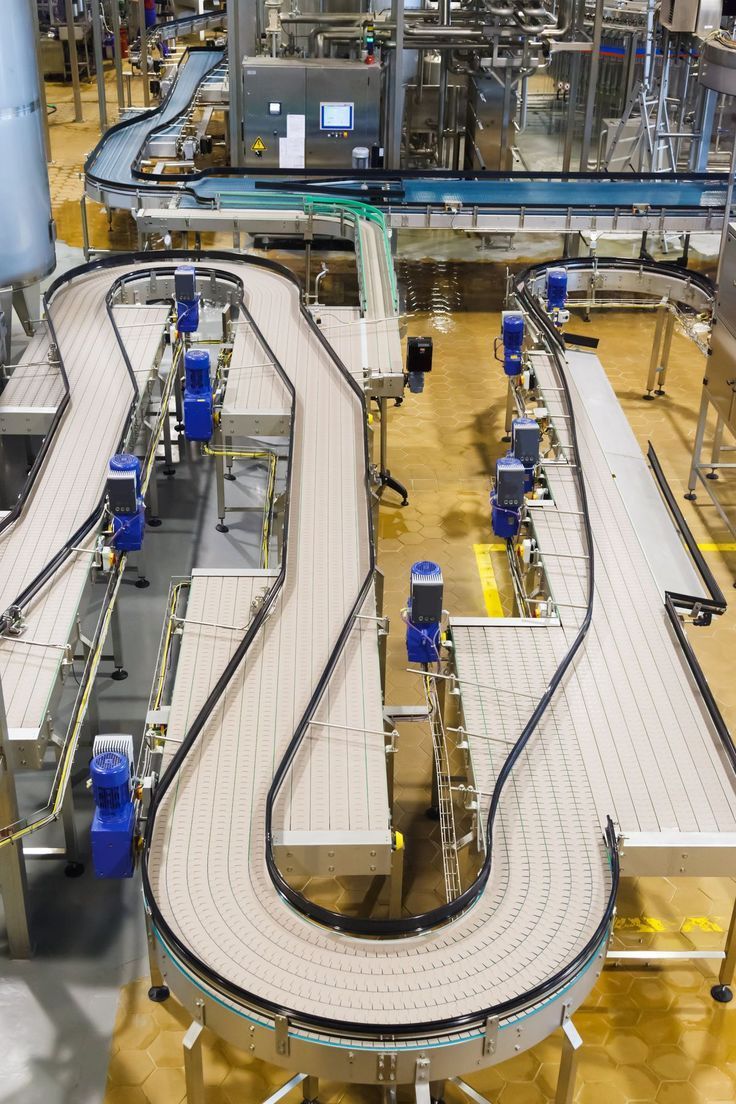
1. Variable Speed Drives (VSDs): These are a game-changer in conveyor technology. VSDs adjust the speed of conveyor motors based on the load they are carrying. This means the electric motors use only the amount of energy needed, rather than running at full power all the time.
2. For example, if the conveyor has a small load, the VSD will lower its speed and energy use. This not only lowers energy costs but also contributes to a reduction in greenhouse gas emissions.
3. Energy-Efficient Motors: Modern conveyor systems use efficient motors that save power while providing equal or better performance than older models. These motors are designed to use energy more effectively, helping to reduce overall energy consumption. Energy-efficient motors save money and help reduce environmental impact.
4. Smart Controls: Automation is a key player in energy efficiency. Smart control systems can monitor conveyor operation and shut down sections of the conveyor when they are not in use. For instance, if the production line pauses, the smart control system will turn off the idle conveyor segment to save energy. This approach not only reduces energy costs but also enhances the effectiveness of eco-friendly conveyor materials.
By adopting these energy-efficient technologies, companies can significantly lower their energy usage, leading to substantial cost savings and a reduction in greenhouse gas emissions. This not only benefits the environment but also aligns with the growing demand for sustainable and eco-friendly practices.
Sustainable Materials and Design Elements of Green Conveyors
Another crucial aspect of green conveyor systems is the materials used in their production. Manufacturers are increasingly focusing on sustainability in this area as well.
1. Recycled Plastics and Metals: Many new conveyor systems are built using recycled materials. Conveyor belts, rollers, and frames can now be made from recycled plastics and metals. This reduces the demand for new raw materials and helps in conserving natural resources.
2. Durable Components: Investing in high-quality, durable materials means that conveyor systems last longer and require fewer replacements. This durability reduces the amount of waste generated from broken or worn-out parts. For example, a well-made conveyor belt can last several years longer than a cheaper, lower-quality option.
3. Modular Design: Modular conveyors are designed to be easily reconfigured and repaired. Instead of replacing an entire conveyor system, businesses can replace or upgrade specific parts. This modular approach reduces waste and supports a circular economy, where components are reused rather than discarded.
These sustainable materials and designs not only help the environment but also improve the reliability and lifespan of conveyor systems.
Reducing Waste Through Precision and Automation
Waste reduction is a key part of making material handling more sustainable. Conveyor systems equipped with advanced automation and precision controls help in minimizing waste in several ways:
1. Accurate Sorting and Handling: Automated green conveyors with precise sensors and controls can sort and handle products with great accuracy. This minimizes errors, reduces the risk of damage, and helps in decreasing the amount of waste produced. For instance, a conveyor with accurate sorting capabilities can ensure that products are directed to the right locations, reducing mistakes and excess handling.
2. Optimized Material Flow: Smart conveyors can adjust their speed and operation based on real-time data. This ensures that materials move efficiently through the system, with minimal idle time or bottlenecks. For example, if a conveyor detects that a section is becoming crowded, it can speed up or slow down to keep the flow steady, reducing delays and improving overall efficiency.
3. Predictive Maintenance: With the help of IoT sensors, businesses can monitor the health of conveyor components in real-time. Predictive maintenance allows for proactive repairs before issues become serious problems. This approach prevents unexpected breakdowns and extends the life of conveyor parts, reducing the need for emergency repairs and new parts.
Conclusion
As businesses continue to focus on sustainability, the material handling industry is evolving to meet these demands. Green technology is revolutionizing conveyor systems, making them more energy-efficient, durable, and environmentally friendly. For companies looking to stay competitive and align with eco-friendly practices, investing in sustainable conveyor systems is not just a trend—it’s a smart, strategic decision that enhances motor efficiency and overall supply chain performance.
By adopting these innovations, businesses can achieve significantly reduced carbon footprints, lower operating costs, and contribute to a greener future. Enhanced automated systems and advanced motor efficiency are key components in this transition, offering increased efficiency and extending the service life of equipment.
At 3S Automation, we are proud to be at the forefront of this green revolution, helping companies make the transition to more responsible and efficient material handling solutions. Investing in sustainable conveyors is not just about keeping up with trends; it’s about committing to a future where business practices support environmental conservation and economic efficiency.
Learn more on our Hardware Solutions